Francisco Goya, one of the most celebrated Spanish painters of all time, left an indelible mark on the art world with his profound and thought-provoking works. Among his masterpieces, «The Second of May 1808» and «The Third of May 1808» stand out as powerful depictions of two significant events during the Peninsular War.
These paintings not only showcase Goya’s artistic brilliance but also capture the human experience of both resistance and tragedy. Through his remarkable use of light, composition, and symbolism, Goya takes us on an emotional journey that forces us to confront the brutalities of war and the resilience of the human spirit.
The Second of May 1808
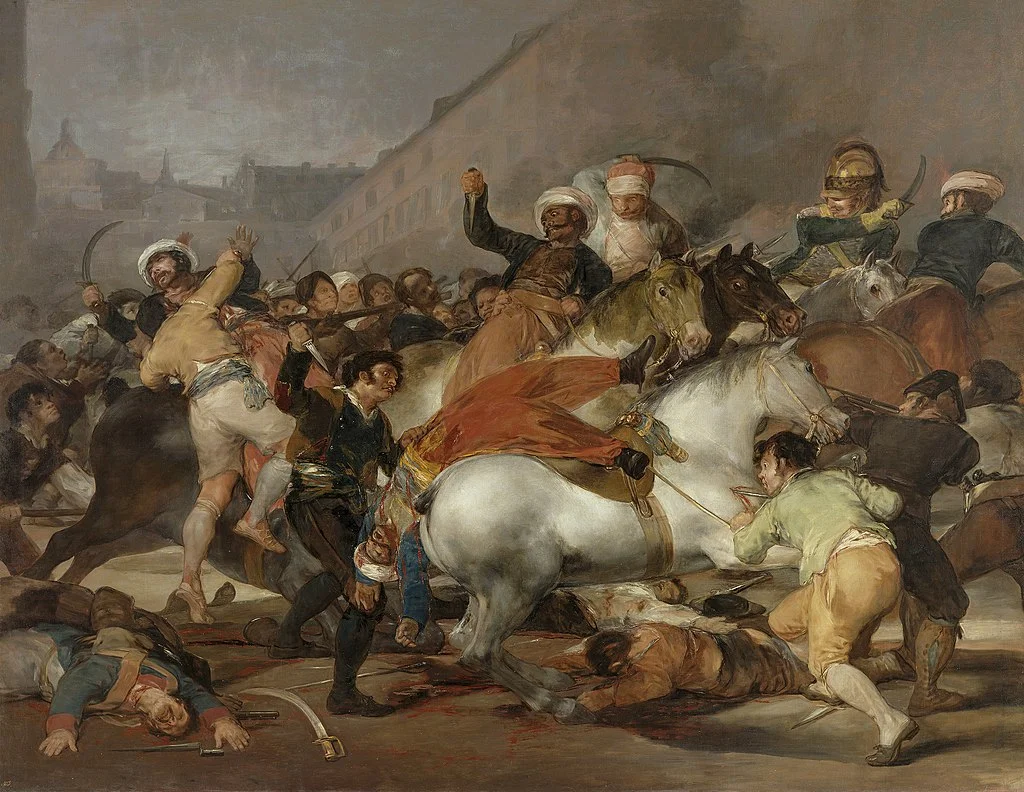
«The Second of May 1808» portrays the uprising of the Spanish people against the French occupation of Madrid. Goya, who was an eyewitness to the events, vividly captures the chaos and desperation that unfolded that day.
The painting features a central group of Spanish rebels valiantly fighting against the French soldiers who mercilessly suppress the rebellion. Goya’s use of bold brushstrokes and dramatic lighting creates a sense of urgency and violence, immersing the viewer in the heart of the conflict.
The expressions on the faces of the characters, from fear to determination, convey the range of emotions experienced during such a pivotal moment in history.
The Third of May 1808
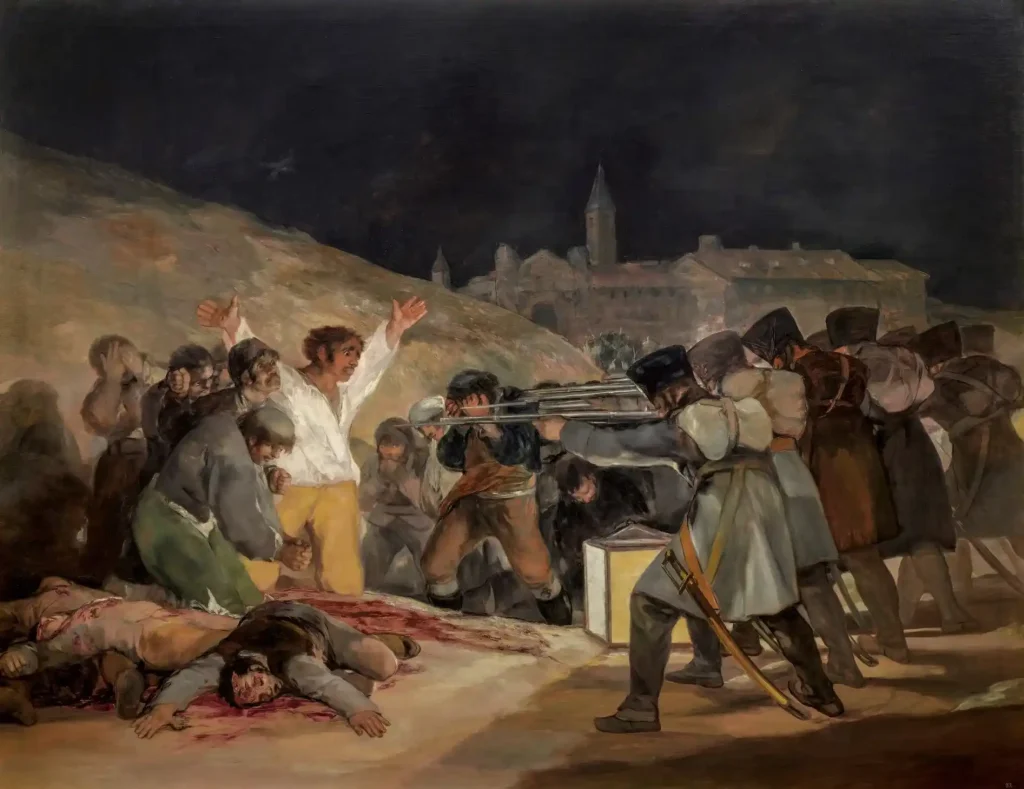
«The Third of May 1808» depicts the aftermath of the uprising, specifically the executions carried out by the French forces in retaliation for the rebellion.
Goya’s mastery is evident in this harrowing composition, where he brings the horrors of war to life. In the painting, a group of unarmed Spanish civilians, illuminated by a harsh source of light, face a firing squad of French soldiers.
The sheer brutality of the scene is intensified by Goya’s use of contrasting colors, the stark white clothing of the victims juxtaposed against the dark, foreboding night.
The outstretched arms of the doomed figures create a poignant visual effect, evoking a sense of despair and helplessness.
Symbolism and Meaning
In both paintings, Goya employs symbolism to convey deeper meanings and emphasize the universal aspects of the human experience. For instance, the use of light and dark contrasts in both works serves as a metaphor for the struggle between good and evil, hope and despair.
Goya’s meticulous attention to detail, such as the expressive facial expressions and body language of the figures, adds a layer of realism and emotional intensity to the scenes. Additionally, the positioning of the central characters in the paintings draws attention to their role as symbols of resistance and sacrifice, representing the indomitable spirit of the Spanish people in the face of oppression.
Goya’s Legacy
«The Second of May 1808» and «The Third of May 1808» have endured as timeless masterpieces that continue to captivate audiences worldwide.
These paintings transcend their historical context, resonating with viewers on a visceral level. Goya’s ability to capture the complex range of human emotions and expose the horrors of war without glorification is a testament to his genius as an artist. By confronting us with the stark realities of conflict, Goya compels us to reflect on our own capacity for both cruelty and compassion.
Conclusion
Francisco Goya’s «The Second of May 1808» and «The Third of May 1808» are remarkable works of art that go beyond mere representation. These paintings serve as powerful reminders of the devastating consequences of war, while also highlighting the indomitable spirit and resilience of humanity. Goya’s exceptional use of composition, lighting, and symbolism transports viewers into the heart of the events, forcing us to confront the brutality and suffering endured by the Spanish people. Through these timeless works, Goya invites us to reflect on the universal human experiences of resistance, tragedy, and hope in the face of adversity.
Other Famous Works by Goya
Francisco Goya, a visionary Spanish artist, left an enduring legacy with his diverse body of work. Beyond «The Second of May 1808» and «The Third of May 1808,» Goya’s oeuvre encompasses a wide range of themes and styles that showcase his artistic evolution. From his hauntingly dark «Black Paintings» to his satirical and critical «Caprichos,» Goya’s iconic works continue to captivate and challenge audiences to this day.
The Black Paintings
Goya’s «Black Paintings» are a series of 14 haunting and introspective works that he painted directly onto the walls of his home. These deeply introspective and often macabre paintings depict themes of death, fear, and the darker aspects of the human psyche. One notable piece is «Saturn Devouring His Son,» a chilling portrayal of the mythological titan consuming his offspring, which encapsulates the artist’s fascination with the dark recesses of the human mind.
The Caprichos
In contrast to the somber tone of the «Black Paintings,» Goya’s «Caprichos» series reveals his biting social commentary and satirical wit. Comprising 80 etchings, these prints critique the societal and political norms of 18th-century Spain. From exposing the follies of the aristocracy to highlighting the superstitions and vices of common people, Goya’s «Caprichos» serve as a scathing indictment of society’s shortcomings.
The Majas
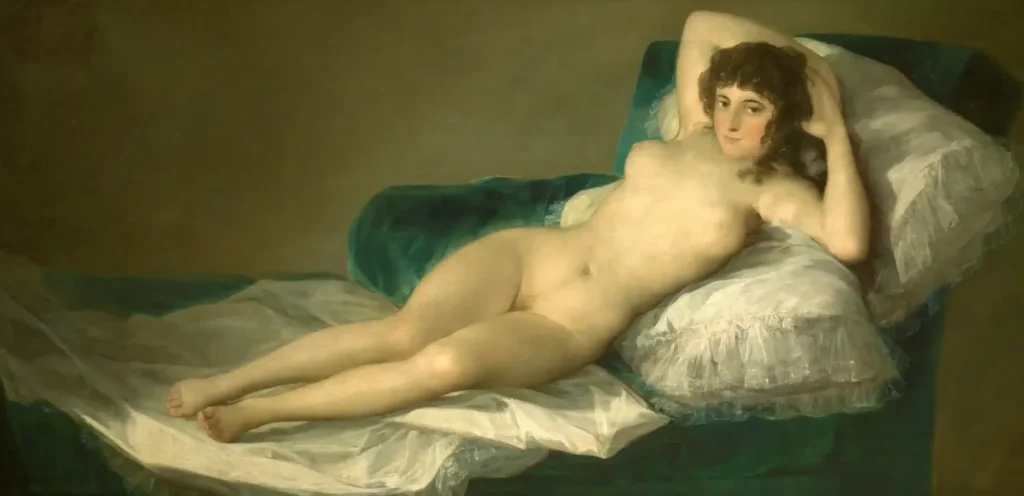
Goya’s fascination with the female form is evident in his portrayal of the «Majas.» These paintings, particularly «La Maja Desnuda» and «La Maja Vestida,» showcase his skill in capturing the beauty and sensuality of the female figure. These works challenged the conventions of his time by portraying a level of nudity that was considered scandalous. Through his masterful brushwork and attention to detail, Goya celebrates the allure and power of femininity.