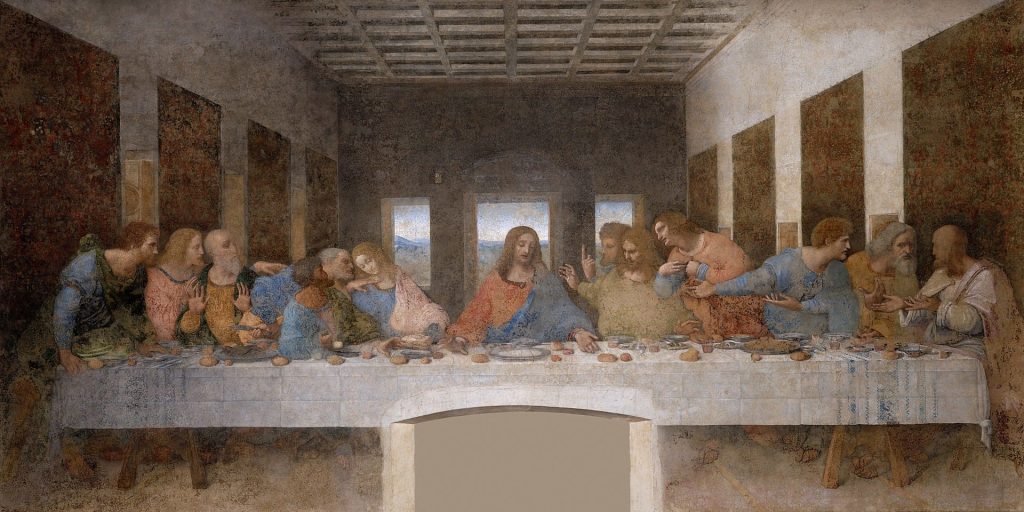
During World War II, one of the greatest treasures in art history, Leonardo da Vinci’s painting of The Last Supper, was in danger. The city of Milan, where the work is located, was bombed by the Allies in 1943, and the painting was at risk of suffering serious damage.
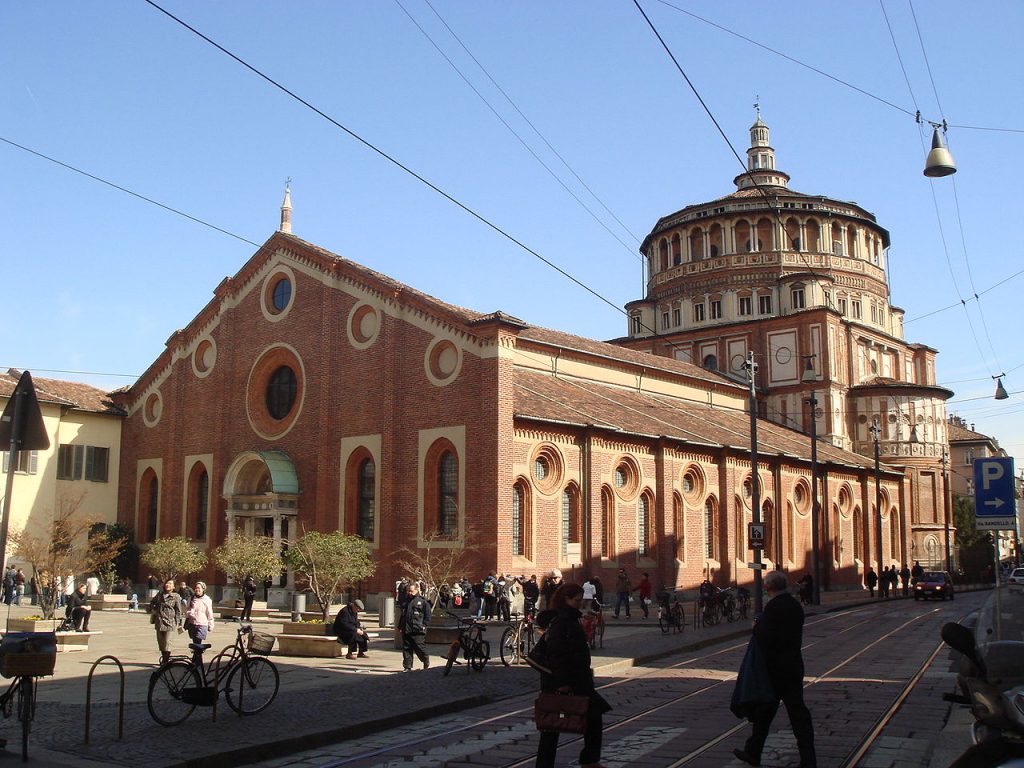
The refectory of the Church of Santa Maria delle Grazie, where the work is housed, was located in a strategic area of the city and was heavily affected by the bombings. To protect the painting, authorities decided to take precautionary measures.
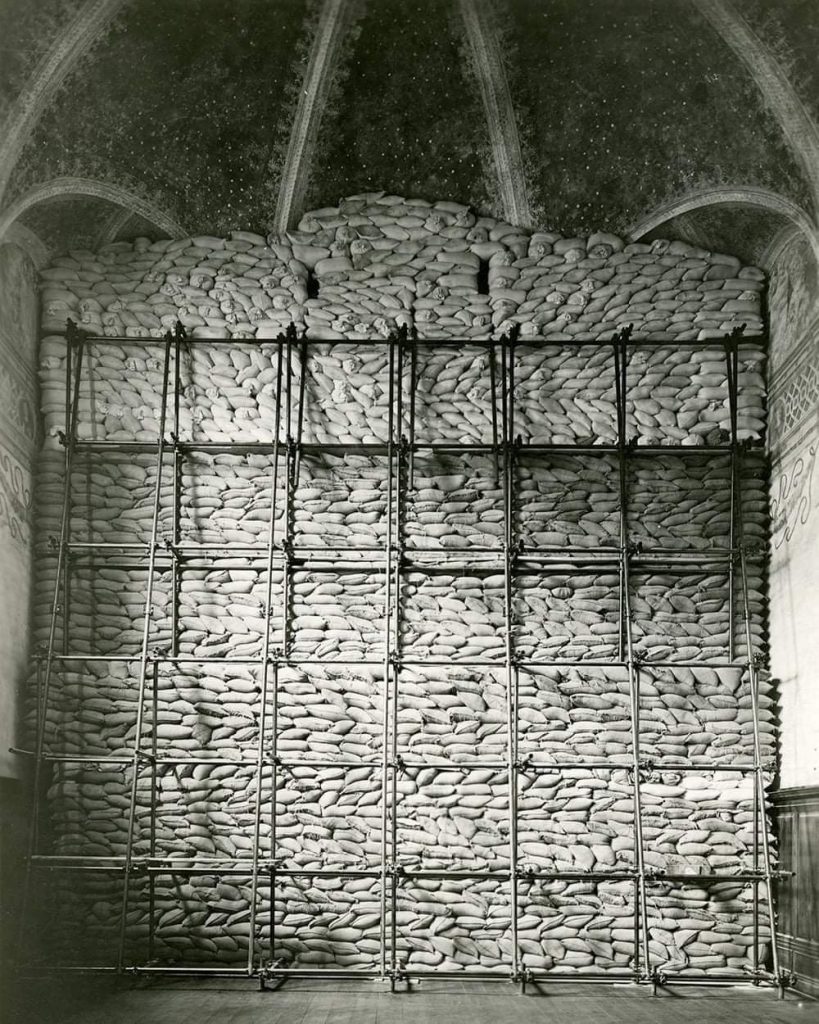
The workers of the church, along with the architect in charge of restoring the painting, Giuseppe Mazza, devised a plan to protect it. They built a protective structure around the painting using sandbags and wooden planks, which shielded it from the effects of the bombings.
The Last Supper sandbags during world war II
Restoration
The painting had already suffered significant damage over the years, including from previous wars and restorations, and had undergone multiple attempts at conservation and restoration. In fact, the painting was already in a fragile state before the bombings of World War II.
After the war, the painting underwent another restoration process to repair the damage caused by the bombings. The restoration process, which began in 1947 and took more than 20 years to complete, was carried out by a team of experts led by the Italian art restorer Mauro Pelliccioli.
Challenges of Restoration
The restoration process was a challenging and delicate task, as the painting was already in a fragile state and the damage caused by the bombings only added to its deterioration. The restorers had to carefully clean and repair the painting, using advanced techniques to ensure the painting’s longevity and stability.
Restoration Success
Despite the challenges, the restoration process was successful, and the painting was restored to its former glory. The restoration work revealed many details that had been hidden or obscured over time, and brought out the vibrant colors and rich symbolism of the painting.
Symbol of Italian Heritage
The Last Supper is not only a masterpiece of art history, but also a symbol of the cultural and historical heritage of Italy. It is a testament to the artistic genius of Leonardo da Vinci, and a window into the religious and cultural context of Renaissance Italy.
Enduring Legacy
Today, the painting is still housed in the refectory of the Church of Santa Maria delle Grazie in Milan, where it continues to captivate and inspire visitors from around the world. The painting has become an iconic symbol of Milan, and a testament to the resilience and endurance of art and culture in the face of adversity.