The modernist period in painting, which spanned from the mid-19th century to the mid-20th century, was a time of great experimentation and innovation in art. During this time, artists sought to break away from traditional forms of art and create something entirely new and original.
One of the most significant movements of this period was Impressionism, which laid the groundwork for the development of many other modernist movements that followed.
Impressionism
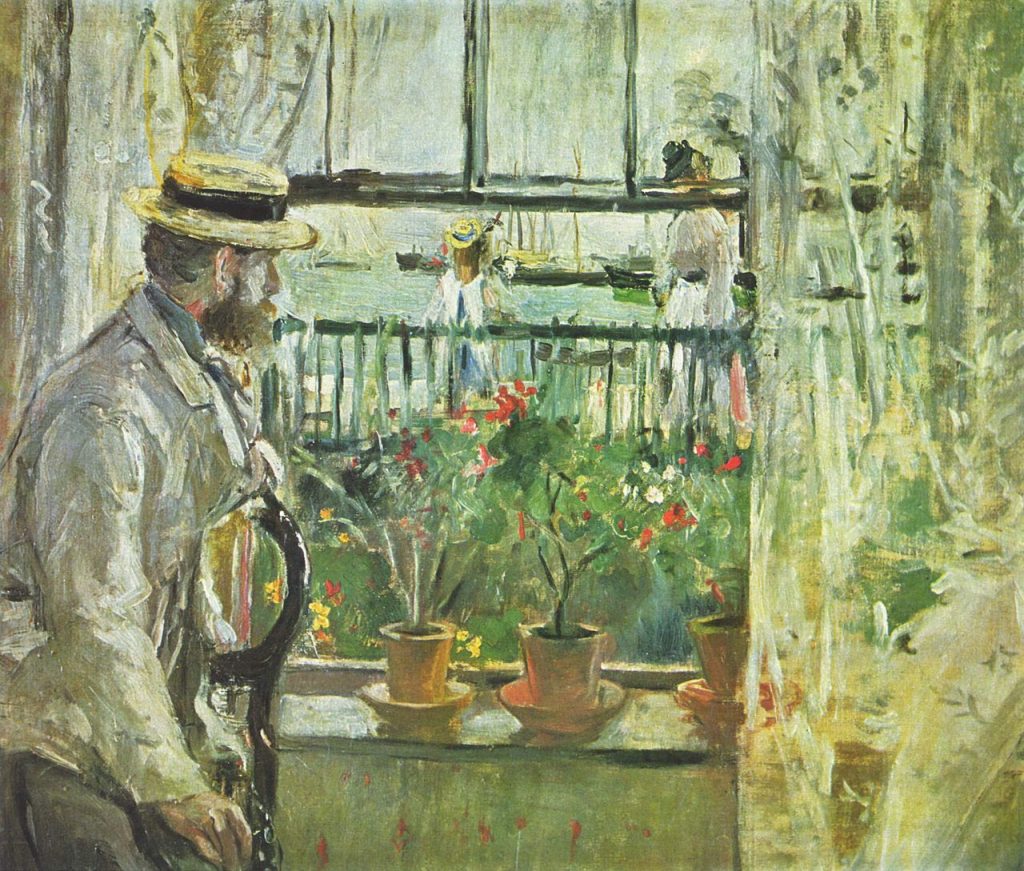
Impressionism emerged in France in the 1860s and 1870s as a reaction against the rigid academic standards of the time. Artists who identified with the Impressionist movement sought to capture the fleeting, ephemeral qualities of light and color in their paintings. They often worked outdoors, painting en plein air, and used quick, loose brushstrokes to convey a sense of movement and spontaneity.
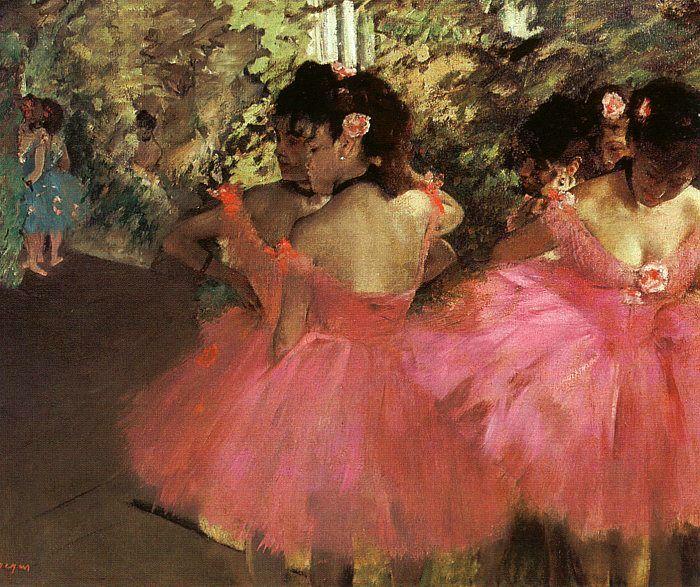
Some of the most notable Impressionist painters include Claude Monet, Pierre-Auguste Renoir, and Edgar Degas. Monet is perhaps the most famous of the Impressionist painters, known for his series of paintings of water lilies and his depictions of the changing light and atmosphere of the French countryside. Renoir is known for his depictions of women and children, while Degas is known for his depictions of ballet dancers and horse racing.
Post-Impressionism
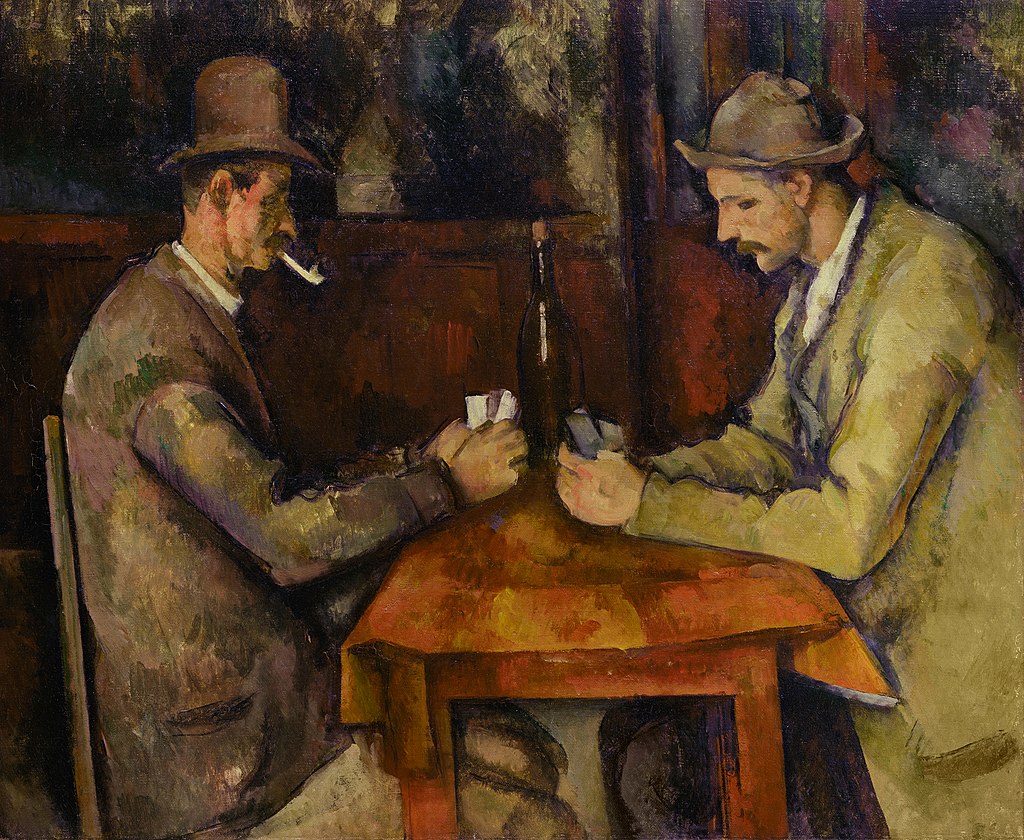
As the Impressionist movement began to lose momentum in the late 19th century, a new wave of artists emerged who sought to build upon the innovations of the Impressionists while moving beyond their limitations. This movement became known as Post-Impressionism and included artists such as Vincent van Gogh, Paul Cézanne, and Georges Seurat.
Van Gogh’s paintings are characterized by their bold, bright colors and swirling, expressive brushstrokes. He often painted landscapes and still lifes, as well as portraits and self-portraits.
Cézanne, on the other hand, is known for his innovative approach to composition and his use of geometric shapes to create a sense of depth and structure in his paintings.
Seurat is known for his use of pointillism, a technique in which small dots of color are applied to the canvas to create a larger image.
Fauvism
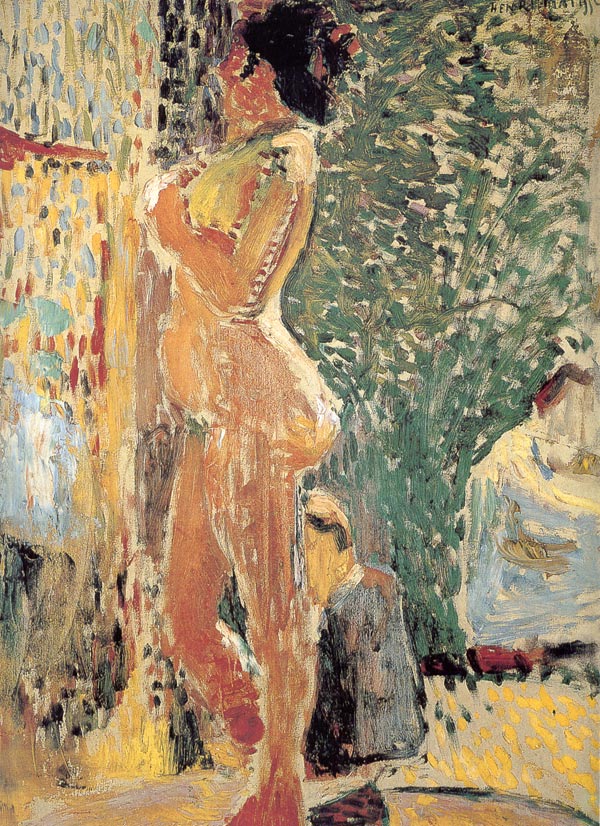
Fauvism was a short-lived movement that emerged in France in the early 20th century. The Fauvists were known for their bold, expressive use of color and their rejection of traditional forms and compositions. Some of the most notable Fauvist painters include Henri Matisse, André Derain, and Maurice de Vlaminck.
Matisse is perhaps the most well-known of the Fauvist painters. His works are characterized by their bright colors and bold, flat shapes. He often painted scenes from everyday life, including still lifes, landscapes, and interiors.
Derain and Vlaminck were known for their expressive use of color and their use of distortion and exaggeration to create a sense of movement and energy in their paintings.
Cubism
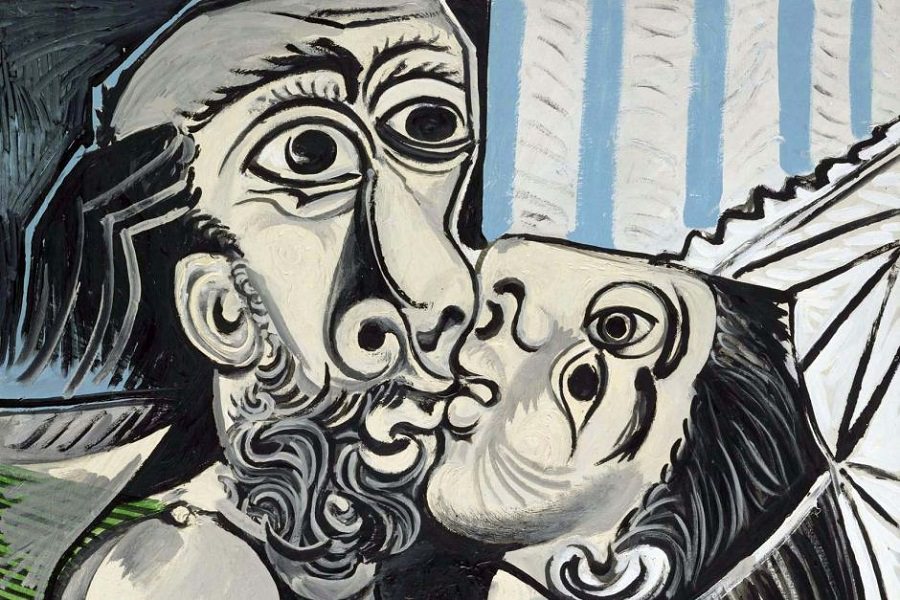
Cubism emerged in France in the early 20th century and is often associated with the work of Pablo Picasso and Georges Braque.
Cubist paintings are characterized by their use of geometric shapes and multiple perspectives to depict a single object or scene. This fragmentation of form was intended to challenge traditional notions of perspective and representation.
In the early stages of Cubism, known as Analytic Cubism, the paintings were often monochromatic and highly abstracted. Later, in the Synthetic Cubism period, the works became more colorful and included collaged elements, such as pieces of newspaper or fabric.
Abstract Expressionism
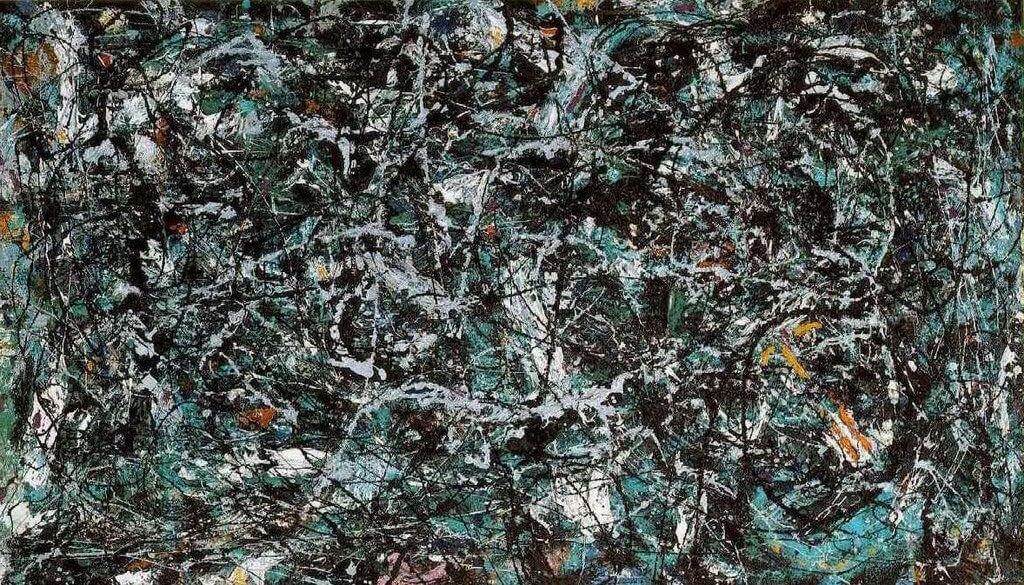
Abstract Expressionism emerged in the United States in the 1940s and 1950s and was characterized by its emphasis on spontaneous, gestural brushwork and its rejection of traditional forms and compositions. The movement included artists such as Jackson Pollock, Mark Rothko, and Willem de Kooning.
Pollock’s paintings, which he created by dripping and splattering paint onto the canvas, are perhaps the most iconic examples of Abstract Expressionism.
Rothko, on the other hand, is known for his large, color field paintings that often feature blocks of color floating on a background of contrasting hues.
De Kooning’s works are characterized by their dynamic, gestural brushwork and their use of fragmented, distorted figures.
Conclusion
The modernist period in painting was a time of great experimentation and innovation. Impressionism laid the groundwork for the development of many other modernist movements, including Post-Impressionism, Fauvism, Cubism, and Abstract Expressionism.
Each of these movements had its own unique style and approach to painting, but they all shared a commitment to breaking away from traditional forms and creating something new and original.
Through their innovative techniques and bold use of color, modernist painters transformed the art world and paved the way for future generations of artists. Their legacy can be seen in the many different styles and approaches to painting that exist today. Whether it’s the bold, expressive brushwork of the Abstract Expressionists or the intricate, geometric shapes of the Cubists, modernist painting continues to inspire and captivate audiences around the world.