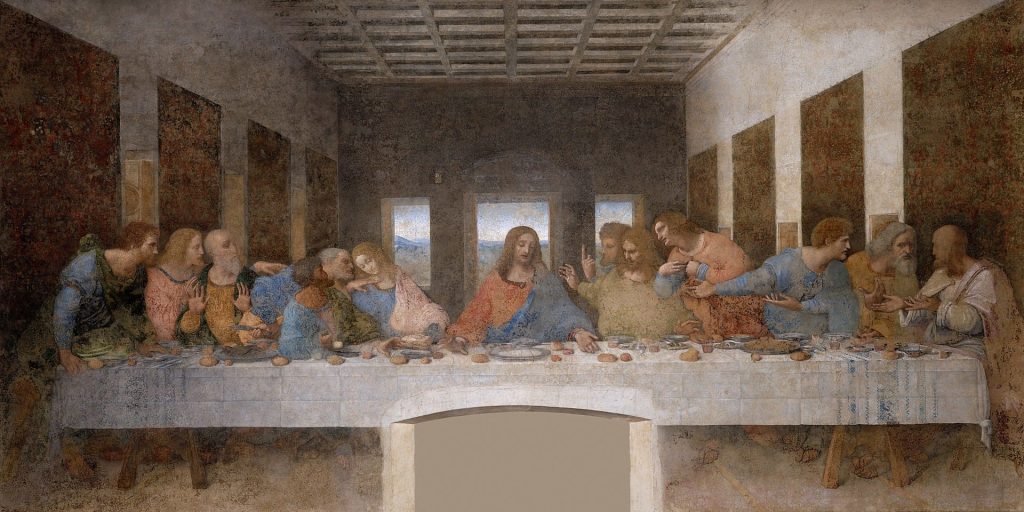
Leonardo da Vinci’s Last Supper is one of the most iconic and recognizable paintings in history. The masterpiece was completed in 1498 and depicts the moment when Jesus announces to his disciples that one of them will betray him. It is a powerful and emotional scene that has captivated viewers for centuries.
Location and Technique
The painting is located in the refectory of the Convent of Santa Maria delle Grazie in Milan, Italy. It covers an entire wall, measuring approximately 15 feet by 29 feet. The medium used is the technique of tempera and oil on plaster, known as fresco. This technique requires the artist to apply the paint while the plaster is still wet, allowing the colors to seep into the surface and create a lasting bond.
Symbols and Details
The Last Supper is a highly symbolic painting, full of hidden meanings and details that add depth and complexity. For example, the arrangement of the figures creates a sense of movement and drama, with Jesus in the center and the disciples arranged in groups of three on either side. This arrangement reflects the Christian belief in the Holy Trinity, with Jesus in the center representing God.
Each of the disciples is portrayed with their own distinct facial expression and body language, conveying their emotions and reactions to Jesus’ announcement. Some are surprised, some are angry, and some can’t believe it. Judas, the disciple who will ultimately betray Jesus, is shown clutching a money bag and moving away from the others, symbolizing his separation from the group.
Leonardo’s attention to detail is evident in every aspect of the painting. The architecture of the room is depicted meticulously, with a paneled ceiling, tiled floor, and columns that create a sense of depth and perspective. The use of light and shadow heightens the drama of the scene, with a single source of light illuminating Jesus and casting the other figures into shadow.
Restorations and Visits
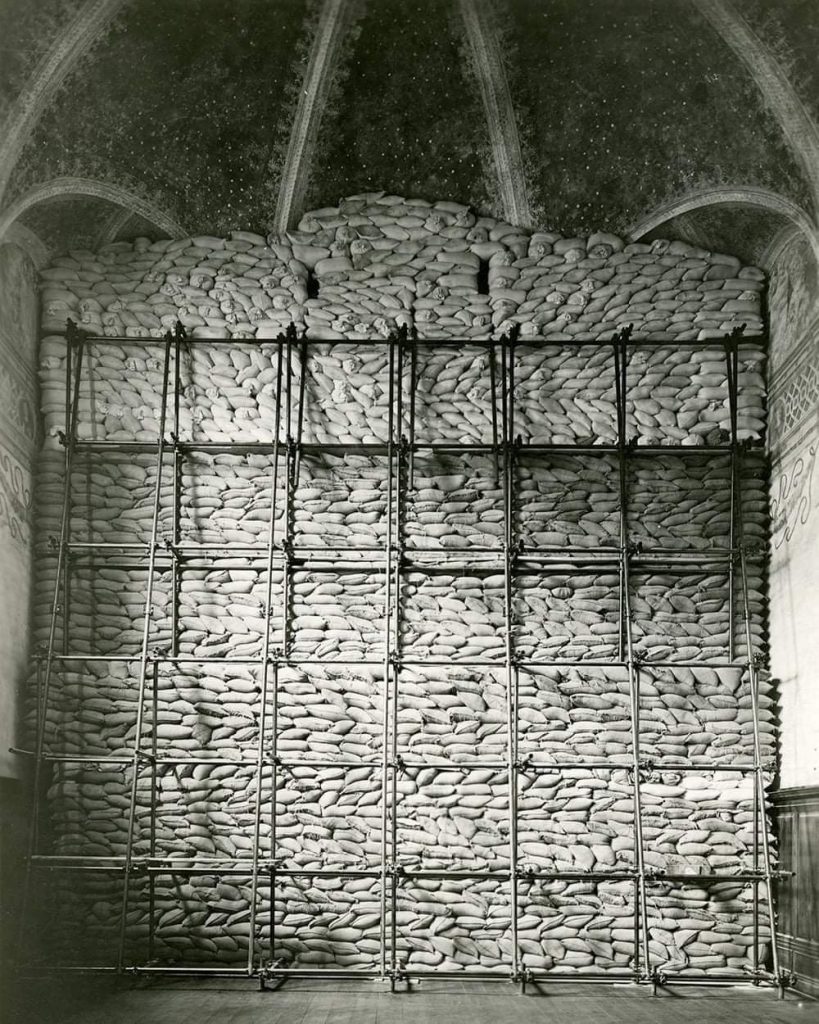
Throughout the centuries, the painting has undergone numerous restorations, as it has been damaged by moisture, war, and even a failed attempt to move it to a safer location during World War II. The most recent restoration began in 1978 and took over 20 years to complete. The process involved the removal of layers of dirt and grime, as well as the repair of cracks and flaking paint.
Today, visitors to Milan can see the Last Supper by booking a timed ticket in advance. Only a limited number of visitors are allowed in the refectory at a time, and the painting is protected by a climate-controlled environment to ensure its preservation.
The Last Supper’s Influence
Leonardo’s Last Supper has had a significant impact on art and culture, inspiring countless imitations, parodies, and references in popular media. It has been the subject of numerous books, films, and documentaries, and has even been referenced in works of science fiction.
But the painting’s influence goes beyond just the world of art and entertainment. The Last Supper has also had a profound impact on religion and spirituality, serving as a reminder of Jesus’ sacrifice and the importance of communion.
The painting has also played a role in shaping the way we think about history and the Bible. The Last Supper is one of the most well-known and studied events in the New Testament, and Leonardo’s depiction of the scene has helped to popularize the story and make it accessible to people around the world