The Renaissance was a period of great artistic and intellectual achievement that occurred in Europe between the 14th and 17th centuries. One of the most important aspects of this era was the development of painting, which underwent a series of significant innovations and changes that would have a lasting impact on the art world.
In this article, we will explore the key developments and innovations that characterized Renaissance painting, and examine the works of some of the most renowned artists of the period.
The Use of Perspective
One of the most significant developments in Renaissance painting was the use of perspective, which allowed artists to create more realistic and lifelike depictions of the world. Prior to the Renaissance, most paintings were two-dimensional and lacked a sense of depth and spatial awareness.
Perspective, which involves the use of mathematical principles to create the illusion of depth and distance on a flat surface, allowed artists to create more convincing and realistic depictions of the world around them. This was achieved through techniques such as foreshortening, which involved distorting the proportions of objects to create the impression of depth and distance.
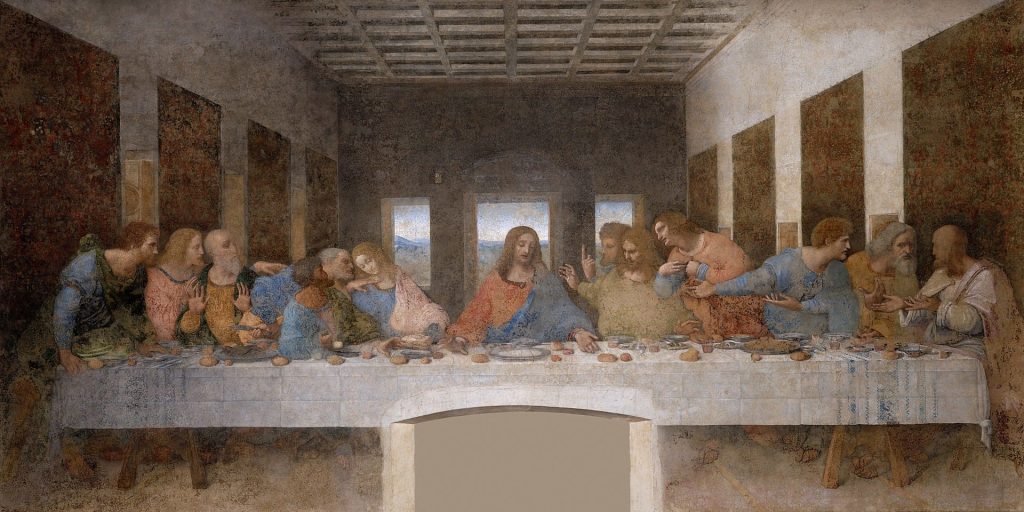
Leonardo da Vinci was one of the most skilled practitioners of perspective in Renaissance painting, as can be seen in his famous work, The Last Supper. The painting, which depicts the final meal shared by Jesus Christ and his disciples, is notable for its use of vanishing point perspective, which draws the viewer’s eye towards a central point on the horizon and creates the impression of depth and distance.
The Human Form
Another key characteristic of Renaissance painting was a renewed interest in the human form, which was seen as a source of beauty and idealism. Artists of the period sought to capture the physical perfection and grace of the human body, often depicting figures in idealized poses and proportions.
One of the most famous examples of this can be seen in Michelangelo’s sculpture, David, which depicts the biblical hero in a state of idealized physical perfection. The sculpture, which stands over 17 feet tall, is notable for its intricate detailing and the way in which it captures the beauty and grace of the human form.
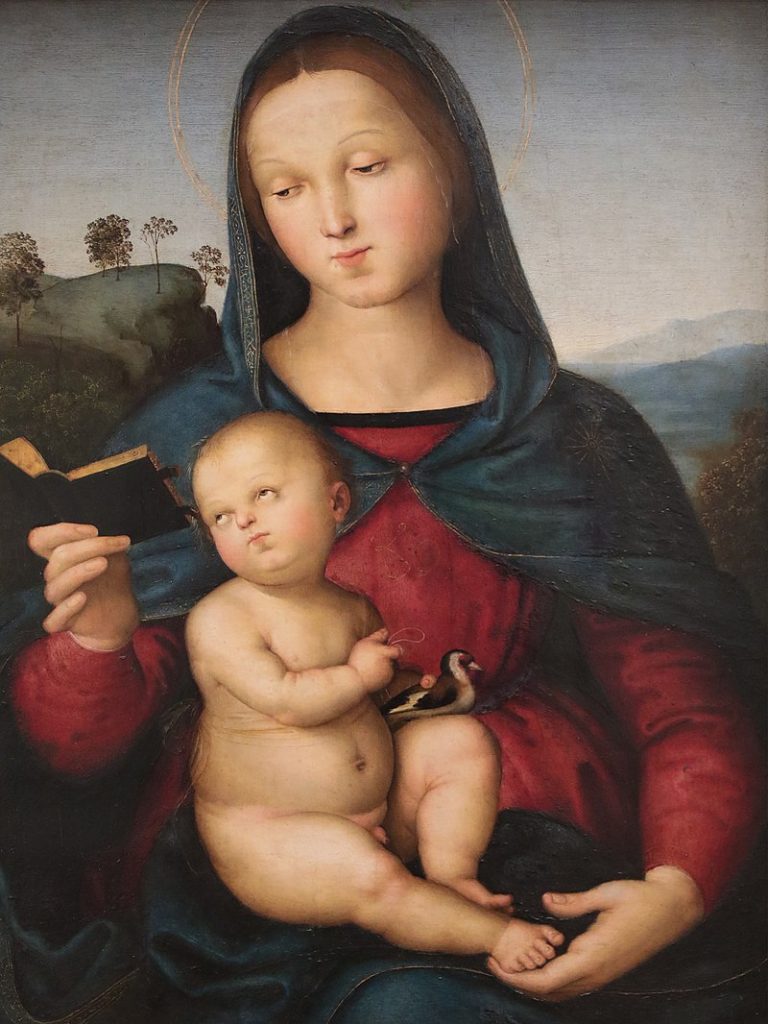
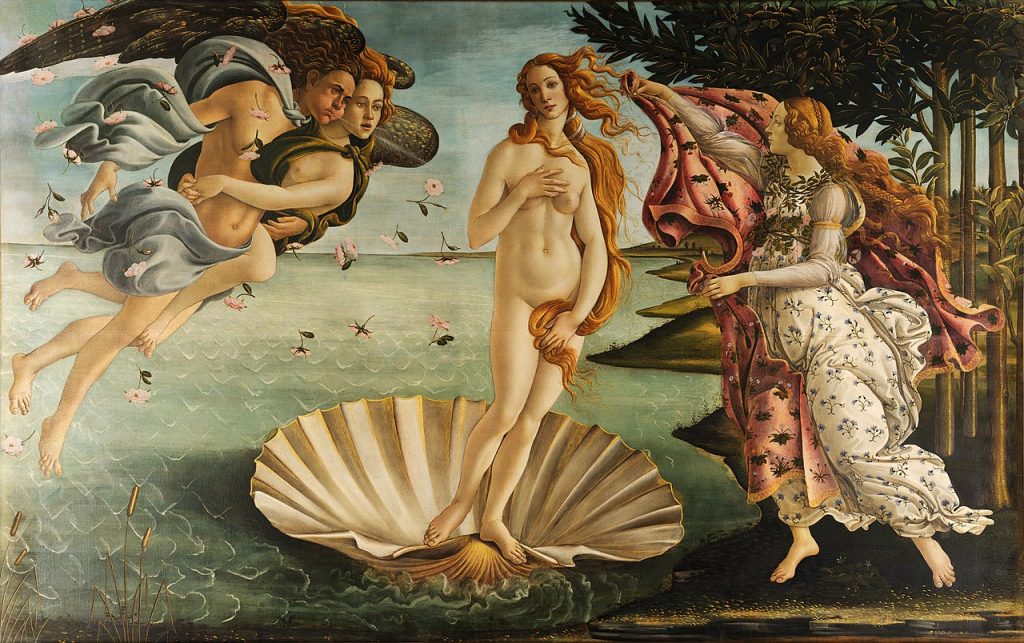
In painting, artists such as Raphael and Botticelli also sought to capture the idealized beauty of the human form. Raphael’s Madonna and Child paintings, for example, depict the Virgin Mary and baby Jesus in a state of perfect grace and serenity, while Botticelli’s Birth of Venus portrays the goddess of love emerging from the sea in a state of idealized physical beauty.
Religious Themes
Religion played a significant role in Renaissance painting, as the Catholic Church remained a dominant force in European society and commissioned many works of art for use in religious settings. Many of the most famous works of the period depict religious themes and figures, such as the Madonna and Child, the Crucifixion, and the Last Supper.
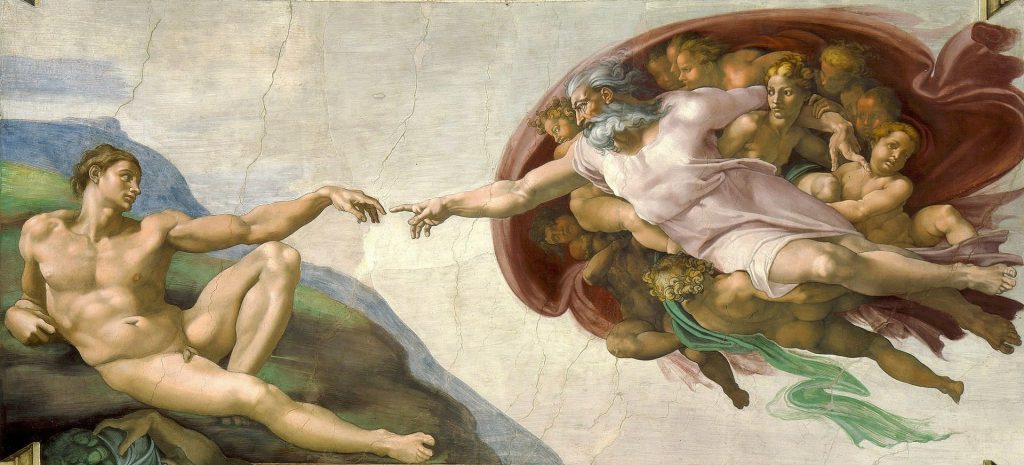
One of the most famous examples of religious painting from the Renaissance is Michelangelo’s ceiling frescoes in the Sistine Chapel in Rome. The frescoes, which took four years to complete, depict scenes from the Old Testament and are notable for their scale, complexity, and beauty.
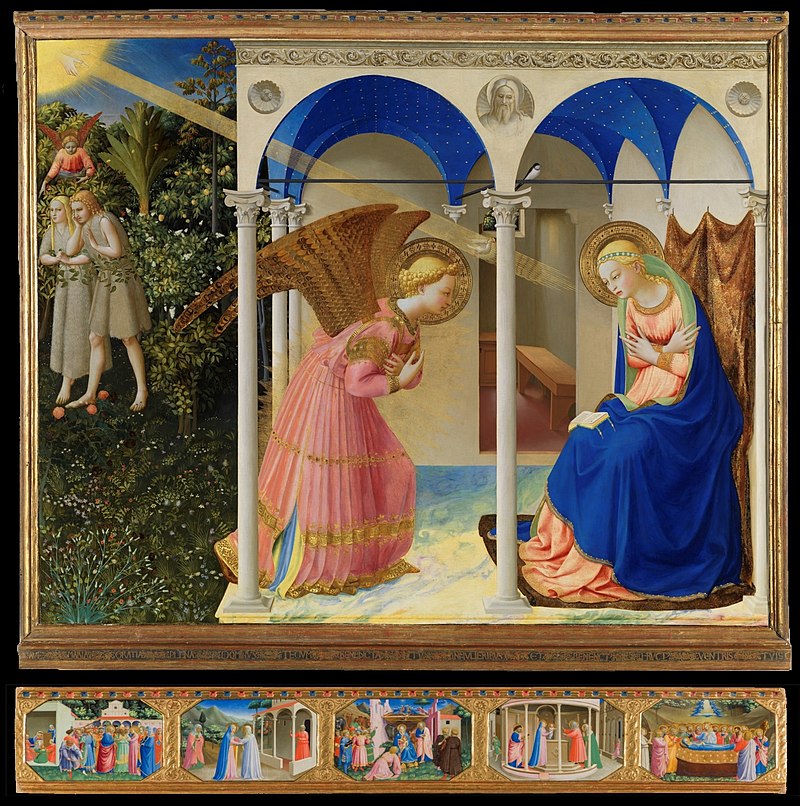
Another notable religious painter of the period was Fra Angelico, whose works are characterized by their vivid colors, intricate detailing, and spiritual themes. His Annunciation, which depicts the moment when the angel Gabriel appears to the Virgin Mary to announce the birth of Jesus, is a particularly notable example of his work.
The Emergence of Individual Style
One of the most significant developments in Renaissance painting was the emergence of individual style, as artists began to develop their own distinctive approaches to painting and to break away from the established conventions of the time.
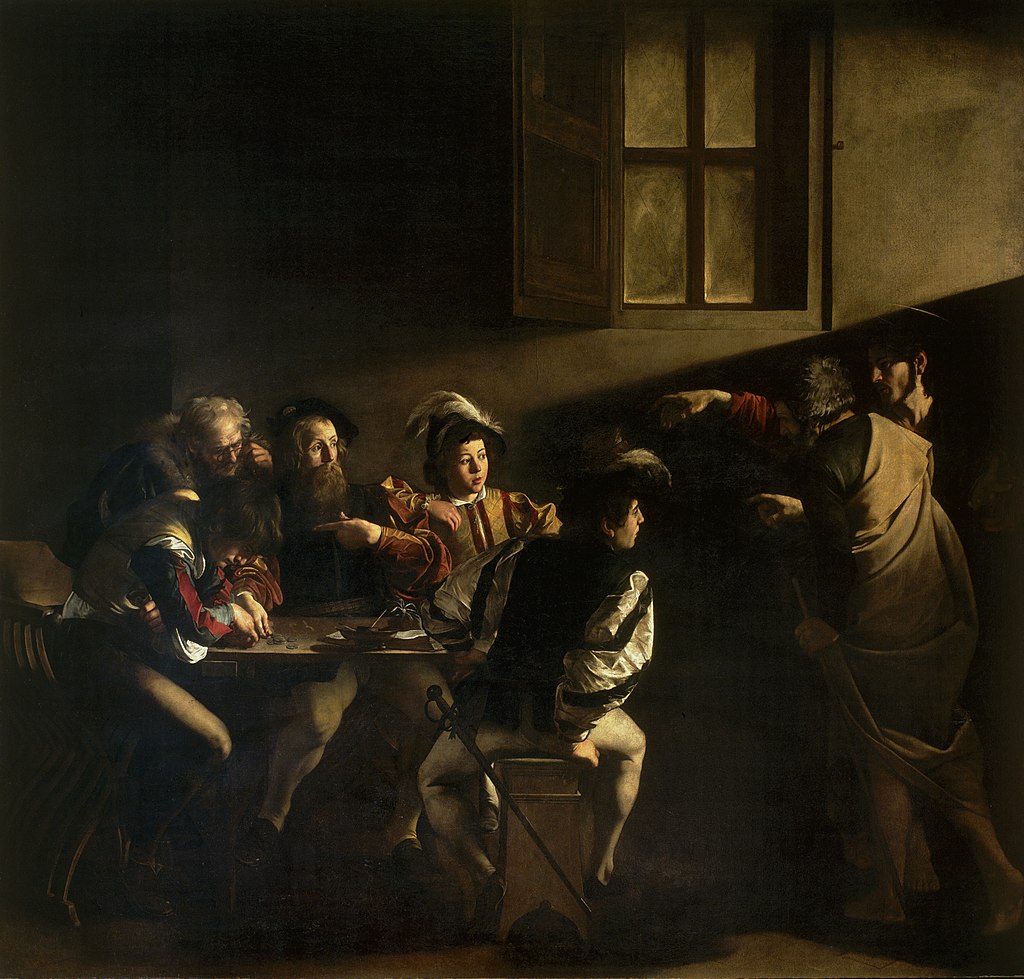
One notable example of this is the work of Caravaggio, whose use of dramatic lighting and intense realism marked a significant departure from the idealized forms and bright colors of earlier Renaissance painting. His paintings, such as The Calling of Saint Matthew and The Conversion of Saint Paul, were notable for their gritty realism and emotional intensity, which set them apart from the more polished and idealized works of other Renaissance painters.
Similarly, the works of Titian, who was known for his use of color and his ability to capture the texture and feel of different materials, marked a significant departure from the more formal and idealized approach to painting that had been dominant in earlier Renaissance art.
Conclusion
In conclusion, Renaissance painting was characterized by a number of key developments and innovations that transformed the way artists approached their craft. These included the use of perspective to create more convincing and realistic depictions of the world, a renewed interest in the human form as a source of beauty and idealism, a focus on religious themes and figures, and the emergence of individual style as artists began to break away from established conventions and develop their own unique approaches to painting.
Through the works of artists such as Leonardo da Vinci, Michelangelo, Raphael, Botticelli, Caravaggio, and Titian, Renaissance painting left an indelible mark on the world of art and continues to be celebrated and admired to this day.